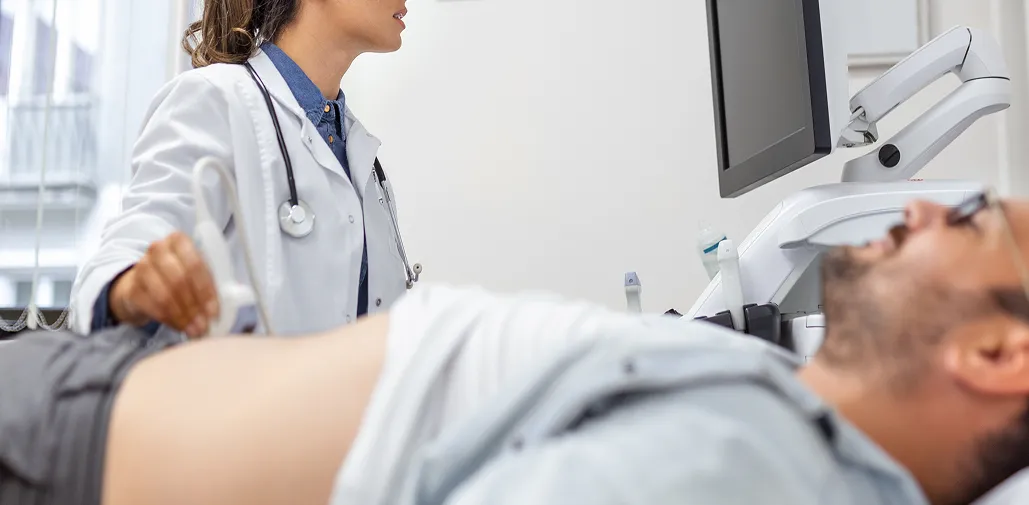
Osteoarthritis (OA) of the knee is a degenerative joint disease that causes cartilage wear, joint inflammation, and stiffness. It is one of the most common causes of disability in older adults but increasingly affects younger individuals due to injury or lifestyle factors.
Symptoms
Knee pain during walking, climbing, or prolonged standing
Morning stiffness or pain after inactivity
Swelling or creaking sensation
Limited range of motion
Instability or locking of the knee
Diagnosis
Physical examination and gait assessment
X-rays to evaluate joint-space narrowing and bone changes
MRI for cartilage and ligament assessment
Pain and function scoring (VAS, WOMAC)
Treatment
Medications: Anti-inflammatory agents, analgesics, and cartilage-support supplements.
Interventional Procedures: Intra-articular steroid or hyaluronic acid injections, and radiofrequency ablation of genicular nerves for chronic cases.
Physiotherapy: Quadriceps strengthening, weight management, and posture retraining.
Lifestyle Measures: Use of supportive footwear, avoidance of high-impact activities, and low-impact exercises like swimming or cycling.
Surgical Referral: Considered in end-stage OA unresponsive to conservative therapy.
Shoulder pain may result from inflammation of the joint capsule (frozen shoulder) or tears in the rotator cuff tendons. It can limit arm movement and affect sleep and daily activities. Prompt treatment restores motion and prevents long-term stiffness.
Symptoms
Shoulder stiffness and pain, especially at night
Difficulty raising the arm or reaching behind the back
Dull ache or sharp pain with movement
Weakness or clicking in the joint
Diagnosis
Clinical examination and movement testing
Ultrasound or MRI for soft-tissue injury detection
Diagnostic shoulder joint injection to confirm source
Treatment
Medical: Analgesics, anti-inflammatory medication, and muscle relaxants.
Interventional: Ultrasound-guided hydrodilatation or corticosteroid injections to reduce inflammation and stiffness.
Physiotherapy: Gradual stretching, mobilisation, and strengthening.
Lifestyle: Ergonomic adjustments and posture correction to prevent recurrence.
Tennis Elbow (Lateral Epicondylitis)
Overview
Tennis elbow is an overuse injury where tendons on the outer elbow become inflamed due to repetitive wrist and arm motions. It causes pain during gripping, lifting, or twisting movements. Early intervention prevents chronic tendon degeneration.
Symptoms
Pain and tenderness over the outer elbow
Weak grip strength
Pain radiating down the forearm
Difficulty lifting or twisting objects
Diagnosis
Clinical assessment with resistance tests
Ultrasound or MRI to detect tendon inflammation or small tears
Diagnostic local anaesthetic injection
Treatment
Medications: NSAIDs and muscle relaxants for pain relief.
Interventions: Ultrasound-guided PRP or corticosteroid injections; tennis-elbow strap for activity support.
Physiotherapy: Stretching, eccentric strengthening, and ergonomic training.
Regenerative Options: Platelet-rich plasma (PRP) therapy to promote tendon healing.
4. Myofascial Pain Syndrome
Overview
Myofascial pain syndrome involves chronic pain caused by trigger points—tight knots within muscles that irritate surrounding tissues. It can follow poor posture, repetitive strain, or stress and is a frequent cause of tension-related discomfort.
Symptoms
Localised muscle pain or tightness
Tender knots or trigger points
Pain radiating to nearby areas
Muscle stiffness and limited movement
Sleep disturbances and fatigue
Diagnosis
Physical examination to locate trigger points
Pressure and palpation testing
Ultrasound for muscle-thickness evaluation
Differential diagnosis to rule out fibromyalgia or arthritis
Treatment
Medications: Muscle relaxants, pain modulators, and anti-inflammatories.
Interventions: Trigger-point injections or dry needling for immediate relief.
Physiotherapy: Stretching, massage, and posture correction.
Lifestyle & Stress Management: Relaxation, ergonomics, and yoga for muscle balance.
Rheumatologic Pain (Arthritis-Related)
Overview
Rheumatologic pain arises from autoimmune or inflammatory joint diseases such as rheumatoid arthritis or ankylosing spondylitis. Early treatment prevents deformity and disability.
Symptoms
Joint swelling, warmth, and morning stiffness
Fatigue and low-grade fever
Symmetrical pain (in multiple joints)
Restricted range of motion
Diagnosis
Clinical examination of affected joints
Blood tests (ESR, CRP, Rheumatoid Factor, ANA)
X-rays or ultrasound for joint inflammation
Evaluation by a rheumatologist when needed
Treatment
Medical Therapy: Disease-modifying agents (DMARDs) and biologics under specialist supervision.
Pain Management: Analgesics, anti-inflammatories, and local injections.
Physiotherapy: Gentle exercises to maintain flexibility.
Lifestyle Adjustments: Weight control, balanced nutrition, and adequate rest.
Neck and Upper-Back Strain
Overview
Neck and upper-back strain is commonly caused by poor posture, prolonged screen time, or sudden jerks. Muscle tension and joint stiffness can lead to pain that radiates to the shoulders or arms.
Symptoms
Dull ache or stiffness in the neck and shoulders
Pain radiating to arms or upper back
Headaches or dizziness due to neck tension
Restricted range of motion
Diagnosis
Physical examination of posture and muscle tenderness
Imaging (X-ray or MRI) to exclude disc or joint issues
Diagnostic trigger-point injections
Treatment
Medical: Anti-inflammatory medications and muscle relaxants.
Physiotherapy: Postural correction, stretching, and strengthening.
Interventional: Cervical facet or trigger-point injections for chronic cases.
Ergonomic Education: Workstation and lifestyle adjustments.
Your Journey to better Health starts here!
Need to see a doctor? We’re here for you. Send us your details, and we’ll take care of the rest.
Yes. Most musculoskeletal conditions respond well to non-surgical treatments like physiotherapy, regenerative injections (PRP), and targeted nerve blocks.
Is physiotherapy necessary along with medication?
Absolutely. Physiotherapy strengthens muscles, corrects posture, and prevents recurrence — making it essential for long-term pain relief.
How long does a joint injection take to work?
Most patients experience relief within 24–72 hours. Full benefits are usually felt within 1–2 weeks.