
Pancreatitis Conditions We Treat

-
Pancreatitise
-
Acute Pancreatitis
-
Chronic Pancreatitis
-
Gallstone Pancreatitis
-
Pancreatic Pseudocysts
-
Pancreatic Duct Stones
Pancreatitis
Overview
Pancreatitis refers to inflammation of the pancreas, which may occur suddenly or develop gradually over time. It can be triggered by gallstones, excessive alcohol consumption, high triglyceride levels, or certain medications.
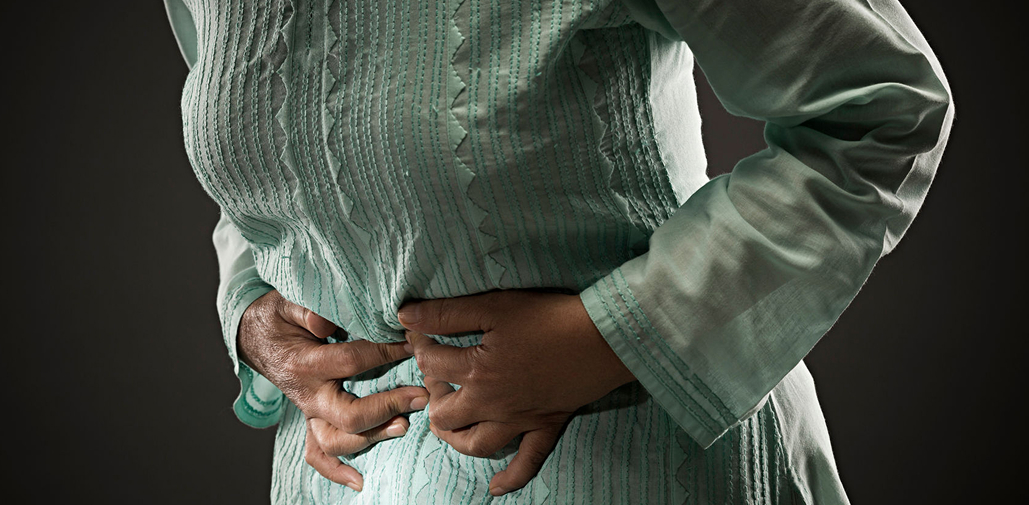
Symptoms
The symptoms associated with this condition can vary in intensity—some develop gradually, while others appear suddenly and may require urgent medical care.
Severe abdominal pain that may radiate to the back
This is often the most prominent symptom—typically located in the upper right or middle part of the abdomen. The pain may come in waves or feel constant, and in many cases, it radiates to the back or shoulder blade. It often worsens after eating, especially after a heavy or fatty meal.
Nausea and vomiting
Digestive upset is common when the affected organ is inflamed or blocked. Nausea may be persistent and can lead to vomiting, especially if the condition is acute or not addressed early.
Abdominal tenderness
The area around the stomach may feel sore or sensitive to touch. In more serious cases, even light pressure can cause discomfort, which helps clinicians identify the area of inflammation during physical exams.
Fever or rapid pulse (in some cases)
If the condition has progressed or there’s an infection involved, the body may respond with signs like fever, chills, or a fast heartbeat. These are red flags that the body is under stress and require immediate attention
Diagnosis
Accurate and timely diagnosis plays a vital role in preventing complications and guiding effective treatment.
Blood tests to detect elevated pancreatic enzymes
One of the first steps in diagnosis is a blood test to check levels of amylase and lipase enzymes produced by the pancreas. Elevated levels often point to inflammation or damage and help us confirm the presence of pancreatitis.
Imaging tests such as ultrasound, CT scan, or MRI
To get a clear picture of the pancreas and surrounding organs, we use abdominal ultrasound or high-resolution imaging such as CT scans and MRI. These tools help detect complications like fluid buildup, gallstones, or signs of tissue damage.
Endoscopic evaluations, including ERCP if needed
In cases where bile duct obstruction or gallstones are suspected, we may perform an Endoscopic Retrograde Cholangiopancreatography (ERCP). This minimally invasive procedure combines endoscopy and imaging to diagnose—and sometimes treat—the underlying issue during the same session.
Treatment
Managing pancreatitis requires a well-rounded, evidence-based approach that targets both immediate relief and long-term health.
Hospital-based care with IV fluids and pain control
Acute pancreatitis often requires hospitalization, where patients receive intravenous (IV) fluids to maintain hydration and electrolyte balance. Pain is managed using appropriate medications to keep patients comfortable while the pancreas begins to heal.
Enzyme therapy for digestion support
In cases of chronic pancreatitis, where the pancreas no longer produces enough digestive enzymes, oral enzyme replacement therapy is prescribed. These supplements help improve nutrient absorption and reduce symptoms like bloating, indigestion, and weight loss.
ERCP or laparoscopic surgery to remove blockages or gallstones
If the condition is caused by bile duct obstruction or gallstones, a procedure such as ERCP (Endoscopic Retrograde Cholangiopancreatography) or minimally invasive laparoscopic surgery may be necessary. These methods can relieve blockages and reduce inflammation, preventing further pancreatic damage.
Nutritional therapy and lifestyle modifications to prevent recurrence
Long-term recovery includes close dietary guidance to reduce fat intake, quit alcohol, and adopt a pancreas-friendly diet. Our team provides nutritional counseling and lifestyle planning to help patients avoid future flare-ups and maintain digestive health.
Acute Pancreatitis
Overview
Acute pancreatitis is a sudden inflammation of the pancreas that develops quickly, often within hours to days. It is most commonly caused by gallstones or excessive alcohol intake, but it can also result from high triglyceride levels, infections, or certain medications.
This condition can range from mild to life-threatening, and timely medical care is critical to prevent complications.
Symptoms
The onset of acute pancreatitis is usually abrupt, with symptoms that may intensify rapidly:
- Severe abdominal pain – A sharp, constant pain in the upper abdomen that often radiates to the back. Pain may worsen after meals, especially heavy or fatty foods.
- Nausea and vomiting – Digestive upset is common and can become persistent.
- Abdominal tenderness and swelling – The belly may feel bloated, tender, or sensitive to touch.
- Fever and rapid pulse – In more severe cases, signs like fever, chills, or a fast heartbeat suggest infection or systemic stress.
Diagnosis
To confirm acute pancreatitis and assess its severity, our team uses:
- Blood tests – Elevated pancreatic enzymes (amylase and lipase) are strong indicators of inflammation.
- Imaging studies – Ultrasound, CT scan, or MRI help detect gallstones, fluid buildup, or pancreatic damage.
- Endoscopic evaluation (ERCP) – Performed if gallstones or bile duct blockages are suspected; this can both diagnose and treat the condition.
Treatment
Management focuses on immediate symptom relief, pancreas rest, and preventing complications:
- Hospital-based care – Patients are usually admitted for IV fluids, electrolyte balance, and close monitoring.
- Pain management – Medications are provided to control abdominal pain.
- Nutritional Support – The pancreas is rested by restricting food initially, then carefully reintroducing oral intake with a guided diet plan.
- ERCP or surgery – If gallstones are the cause, procedures may be required to remove them and prevent recurrence.
Chronic Pancreatitis
Overview
Chronic pancreatitis is a long-standing inflammation of the pancreas that leads to permanent damage over time. Unlike acute pancreatitis, which develops suddenly, chronic pancreatitis progresses slowly and often results in reduced digestive function and, in some cases, diabetes.
Common causes include prolonged alcohol use, genetic factors, autoimmune conditions, or repeated episodes of acute pancreatitis.
Symptoms
Chronic pancreatitis symptoms may be ongoing or come in painful flare-ups:
- Persistent abdominal pain – A dull or burning pain in the upper abdomen that may radiate to the back. Pain may worsen after eating.
- Unintentional weight loss – Caused by poor digestion and nutrient absorption.
- Fatty or oily stools (steatorrhea) – Large, pale, foul-smelling stools that float, indicating fat malabsorption.
- Diabetes – Damage to insulin-producing cells in advanced cases may lead to diabetes.
Diagnosis
To confirm chronic pancreatitis and assess its impact on digestion, our specialists may recommend:
- Blood and stool tests – To check digestive enzyme levels and absorption efficiency.
- Imaging tests (CT, MRI, or endoscopic ultrasound) – To identify structural damage, calcifications, or pancreatic duct changes.
- ERCP – Provides detailed imaging and can be used for therapeutic interventions if blockages are present.
Treatment
Chronic pancreatitis requires long-term, comprehensive management to control pain, restore digestion, and prevent complications:
- Pain management strategies – Tailored medications, nerve blocks, or advanced pain procedures.
- Enzyme replacement therapy – Oral enzyme supplements to aid digestion and improve nutrient absorption.
- Minimally invasive procedures – To treat strictures, blockages, or pancreatic stones.
- Lifestyle changes and diet planning – Alcohol avoidance, smoking cessation, and specialized diets to support pancreatic health and reduce flare-ups.
Gallstone Pancreatitis
Overview
Gallstone Pancreatitis occurs when gallstones block the pancreatic duct, causing inflammation of the pancreas. This condition can be severe and requires prompt medical attention. It often develops suddenly and is one of the leading causes of acute pancreatitis.
Symptoms
Patients with gallstone pancreatitis may experience:
- Sudden, intense abdominal pain – Usually in the upper abdomen and may radiate to the back or shoulder blade.
- Nausea and vomiting – Commonly associated with blocked ducts and digestive upset.
- Fever or chills – If infection develops.
- Jaundice (yellowing of skin and eyes) – Occurs when gallstones obstruct the bile duct.
Diagnosis
To confirm gallstone pancreatitis and determine the best treatment, our specialists may use:
- Abdominal ultrasound – First-line imaging to detect gallstones and duct blockages.
- CT scan or MRI – For detailed visualisation of pancreatic inflammation and complications.
- Blood tests – To check liver function, pancreatic enzyme levels, and infection markers.
- ERCP – A specialized endoscopic procedure to locate and often remove gallstones causing the blockage.
Treatment
Treatment for gallstone pancreatitis focuses on immediate relief, stone removal, and preventing recurrence:
- Hospital-based supportive care – IV fluids, pain management, and monitoring to stabilize the patient.
- ERCP– Minimally invasive method to remove gallstones from the bile or pancreatic duct.
- Gallbladder removal surgery (cholecystectomy) – Recommended after stabilization to prevent future attacks.
- Nutritional and lifestyle guidance – Low-fat diet and lifestyle adjustments to maintain long-term digestive health.
Pancreatic Pseudocysts
Overview
Pancreatic pseudocysts are fluid-filled sacs that may form in or around the pancreas after an episode of pancreatitis. While small pseudocysts may resolve on their own, larger ones can cause abdominal pain, digestive problems, or even infection if untreated.
Symptoms
Patients with pancreatic pseudocysts may experience:
- Abdominal discomfort or bloating – A common sign due to the cyst pressing on nearby organs.
- Nausea or vomiting – Caused by obstruction or irritation in the digestive system.
- Palpable abdominal lump – In some cases, a noticeable mass may be felt in the abdomen.
- Indigestion or loss of appetite – If the pseudocyst interferes with normal digestion.
Diagnosis
To evaluate pseudocysts and decide on the right treatment, our specialists use advanced diagnostic methods such as:
- CT scan or MRI – High-resolution imaging to detect the size, number, and position of cysts.
- Endoscopic Ultrasound (EUS) – Provides detailed images and helps plan minimally invasive drainage if needed.
- Blood tests – To assess for infection or related pancreatic issues.
Treatment
Treatment depends on the size of the pseudocyst, symptoms, and potential risks:
- Observation and monitoring – Small, asymptomatic pseudocysts may resolve naturally with regular follow-up.
- Endoscopic drainage – A minimally invasive approach to remove fluid and relieve symptoms.
- Laparoscopic or surgical drainage – For larger or complicated pseudocysts.
- Ongoing monitoring and nutritional care – To prevent recurrence and support overall pancreatic health.
Pancreatic Duct Stones
Overview
Pancreatic duct stones are solid deposits that form within the pancreatic ducts, blocking the flow of digestive enzymes and causing inflammation or pain. They often develop as a complication of chronic pancreatitis, but can also arise from long-standing ductal obstruction or metabolic imbalances. If untreated, these stones can lead to persistent pain, malabsorption, or pancreatic damage, making early detection and management essential.
Common causes include:
- Chronic pancreatitis
- Recurrent pancreatic inflammation
- High calcium levels in the pancreas
- Ductal strictures or narrowing
- Genetic predispositions affecting pancreatic function
Symptoms
The signs of pancreatic duct stones can vary, but often include:
- Severe abdominal pain: Often felt in the upper abdomen or radiating to the back, sometimes worsened after meals.
- Nausea and vomiting: Digestive discomfort due to blockage of pancreatic enzymes.
- Digestive issues: Indigestion, bloating, or fatty stools caused by impaired enzyme flow.
- Weight loss or malnutrition: Chronic obstruction can reduce nutrient absorption.
- Fever or chills: May occur if the blockage leads to infection or acute inflammation.
Diagnosis
Timely and accurate diagnosis is crucial to prevent complications:
- Blood tests: Evaluate pancreatic enzyme levels (amylase, lipase) and rule out infection.
- Imaging studies: Ultrasound, CT scan, or MRI can visualise stones and ductal obstruction.
- Endoscopic evaluations (ERCP): Minimally invasive procedure to locate stones, assess ductal health, and sometimes remove obstructions.
- Additional tests: MRCP (Magnetic Resonance Cholangiopancreatography) may be used to map the pancreatic ducts in detail.
- Endoscopic Ultrasound (EUS) – Provides detailed images of the pancreas and guides fine-needle aspiration for tissue sampling when malignancy is suspected.
Treatment
Treatment aims to relieve symptoms, restore enzyme flow, and protect long-term pancreatic function:
- Endoscopic stone removal (ERCP): Stones can often be extracted using minimally invasive techniques, sometimes with stent placement to maintain ductal patency.
- Surgical intervention: In severe or complex cases, laparoscopic or open surgery may be needed to remove stones or relieve strictures.
- Pain management & supportive care: Includes medication for pain, hydration, and close monitoring during flare-ups.
- Enzyme replacement therapy: Helps improve digestion when ductal obstruction has impaired pancreatic function.
- Lifestyle & nutritional guidance: Low-fat diet, avoiding alcohol, and targeted nutrition to support pancreatic health and prevent recurrence.
Your Journey to better Health starts here!
Need to see a doctor? We’re here for you. Send us your details, and we’ll take care of the rest.

We're here to help!

Need more answers? Reach out to us!
Gastroenterology FAQs
When should I see a Gastroenterologist?
You should visit a Gastroenterologist if you have persistent digestive issues like heartburn, bloating, constipation, diarrhoea, or unexplained abdominal pain.
What are the common causes of Acid Reflux (GERD)?
Acid reflux is often triggered by spicy foods, caffeine, alcohol, smoking, obesity, and late-night eating. Lifestyle changes and medication can help manage symptoms.
What are the signs of Liver Disease?
Symptoms include jaundice (yellowing of skin/eyes), fatigue, swelling in the legs, dark urine, and persistent nausea. Liver disease can be caused by infections, alcohol, or fatty liver.
What is a Colonoscopy, and when do I need one?
A Colonoscopy is a screening test for colon cancer and digestive disorders. It’s recommended if you’re over 45 or experiencing blood in stool, unexplained weight loss, or chronic diarrhea.
What foods help improve digestion?
Fiber-rich foods like fruits, vegetables, whole grains, and yogurt promote gut health, while processed foods, dairy, and fried foods may worsen digestive issues.
What are the symptoms of Gallbladder problems?
Common symptoms include severe pain after eating fatty foods, nausea, vomiting, and bloating. Gallbladder issues like gallstones may require dietary changes or medical treatment.
What is Hernia?
A Hernia occurs when an internal part of the body pushes through a weakness in the muscle or surrounding tissue wall.
In many cases, it causes no or very few symptoms, although you may notice a swelling or lump in your tummy (abdomen) or groin.
The lump can often be pushed back in or disappears when you lie down. Coughing or straining may make the lump appear.
What is Cancer screening?
Cancer Screening is looking for cancer before a person has any symptoms. This can help find Cancer at an early stage. When abnormal tissue or Cancer is found early, it may be easier to treat. By the time symptoms appear, cancer may have begun to spread.
What are the tests used to screen Colon Cancer?
The following types of tests are used to screen for Colorectal Cancer:
- Fecal occult blood test
- Sigmoidoscopy
- Colonoscopy
- CT Colonography
- CEA assay